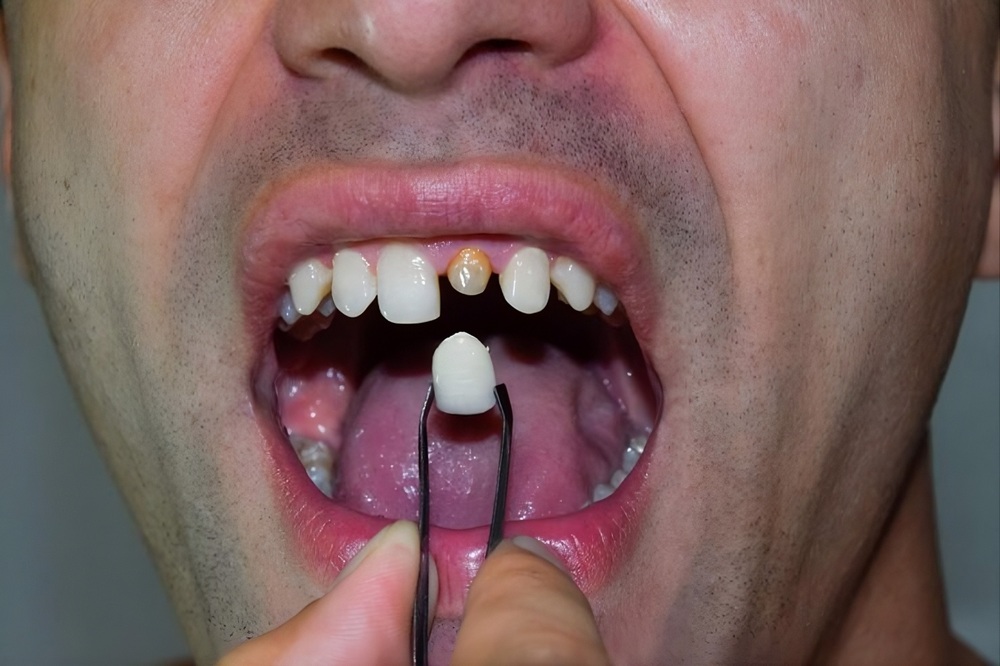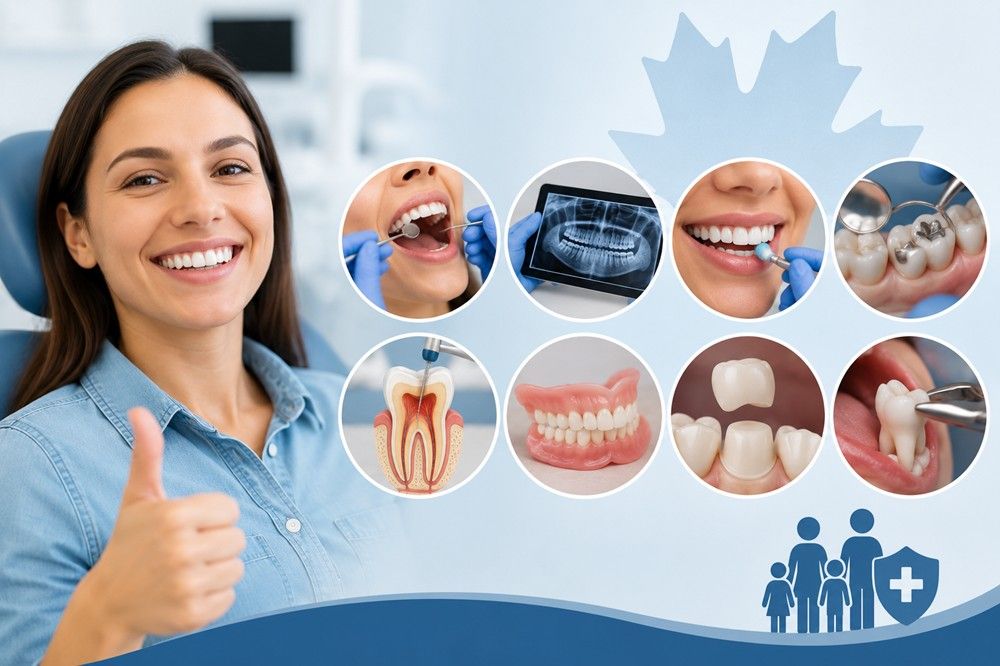
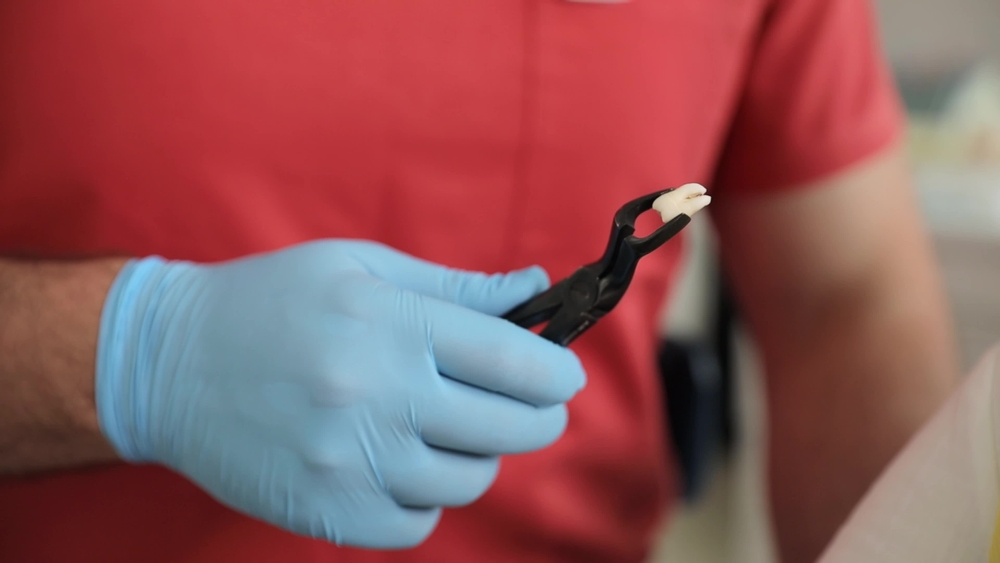
Pain while chewing, swelling around a tooth, or that constant throbbing pain you feel at night, dental pain seems to happen at the worst possible times. While ignoring that pain may seem easier, the longer it goes unattended, the worse it can get.
Some dental issues are beyond a filling or a root canal. In cases like these, tooth extraction near you may be the only option to protect your overall oral health.
Being aware of when and why a tooth requires extraction can help you act before things get out of hand.
What is Tooth Extraction?
Tooth Extraction is the removal of a tooth from its socket in the bone. Dentists will only recommend extraction when every other option has been explored to attempt to save the tooth. Extractions can be simple or surgical, depending on the tooth itself.
When is a Tooth Extraction Necessary?
There are a number of dental conditions that involve extraction because it is the safest option. Let’s take a look at the most common reasons for tooth removal:
1. Serious Tooth Decay
Sometimes, a tooth has too much damage from decay to be saved by a crown or filling. In this case, your dentist will consider your health and extract the tooth to avoid possible infection, which could spread to the jawbone and other teeth.
2. Advanced Gum Disease
Gum disease (periodontitis) can cause your gum tissues and the bone surrounding the tooth to deteriorate. Teeth can become unstable due to loss of bone, and if that tooth is no longer stable and goes loose, your dentist might recommend extraction.
3. Teeth Overcrowding
Some teeth are removed before orthodontic treatment to make space. Overcrowding can also lead to alignment issues and possible bite issues when teeth are trying to organize themselves.
4. Impacted Wisdom Teeth
If wisdom teeth are fully or partially impacted, they can grow at an angle and cause pain, possible infection, and damage to neighbouring teeth. If impacted, dentists will almost always recommend wisdom teeth extraction.
5. Dental Trauma
Sometimes, an accidental injury will crack or break a tooth beyond repair. For example, if the root of a tooth is damaged and cannot be corrected by a root canal, the only safe recommendation by your dentist would be to remove it.
How Does a Dentist Decide to Remove a Tooth?
A dentist in Downtown Calgary will evaluate your symptoms and take X-rays to assess the damage and consider whether the tooth can be restored with a root canal or crown before recommending extraction.
If removal is the safest choice, they’ll also explain what to expect and how to prepare.
What Happens During the Procedure?
- Simple Extraction: For visible teeth. The dentist loosens the tooth and pulls it out gently.
- Surgical Extraction: Needed for broken or impacted teeth. It may require a small incision and stitches.
The procedure is done under local anesthesia, so you’ll be awake but won’t feel pain.
What Should You Expect After the Extraction?
Recovery usually takes a few days. You may feel sore or swollen. Your dentist will give you care instructions like:
- Bite down on gauze to stop bleeding
- Apply cold packs to reduce swelling
- Eat soft foods for a few days
- Avoid smoking or drinking from a straw
Following the above instructions can help avoid complications like dry socket (a painful condition when the blood clot is dislodged).
Can Tooth Extraction Be Prevented?
Yes. Regular dental checkups help catch problems early. Brushing twice a day, flossing, and limiting sugar can prevent decay and gum disease. Sometimes, though, even with good care, a tooth may become a problem due to genetics, injuries, or other factors.
What Are the Alternatives?
Dentists explore all options before extracting. Alternatives include:
- Root canal therapy
- Crowns or bridges
- Orthodontics to correct spacing issues
But if the tooth can’t be saved, removing it helps protect your mouth in the long run.
Replacing an Extracted Tooth
Leaving a gap can lead to shifting teeth, jawbone loss, or bite issues. After healing, your dentist might recommend:
- Dental implants
- Bridges
- Partial dentures
These options restore function and prevent long-term damage.
Don’t Wait Until It Hurts More
Tooth problems don’t fix themselves. The longer you delay, the higher the risk of infections, jawbone loss, and more extractions.
A painful or damaged tooth can affect your entire life, from how you eat to how you sleep. Putting off treatment can lead to infections or further dental loss. If you’re feeling discomfort or notice any swelling, don’t ignore it.
Act Before Pain Takes Control
Seeing a dental professional early can often save the tooth, and if extraction is necessary, it’s often the first step toward healing and better oral health.
Book your appointment with Stephen Avenue Dental Choice and protect your future smile before it’s too late.