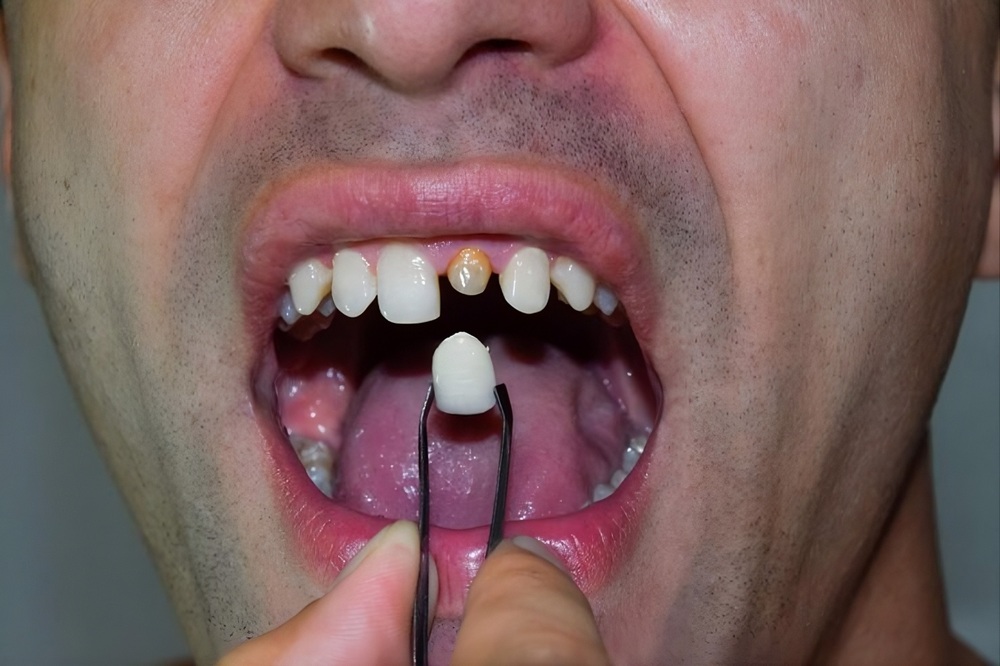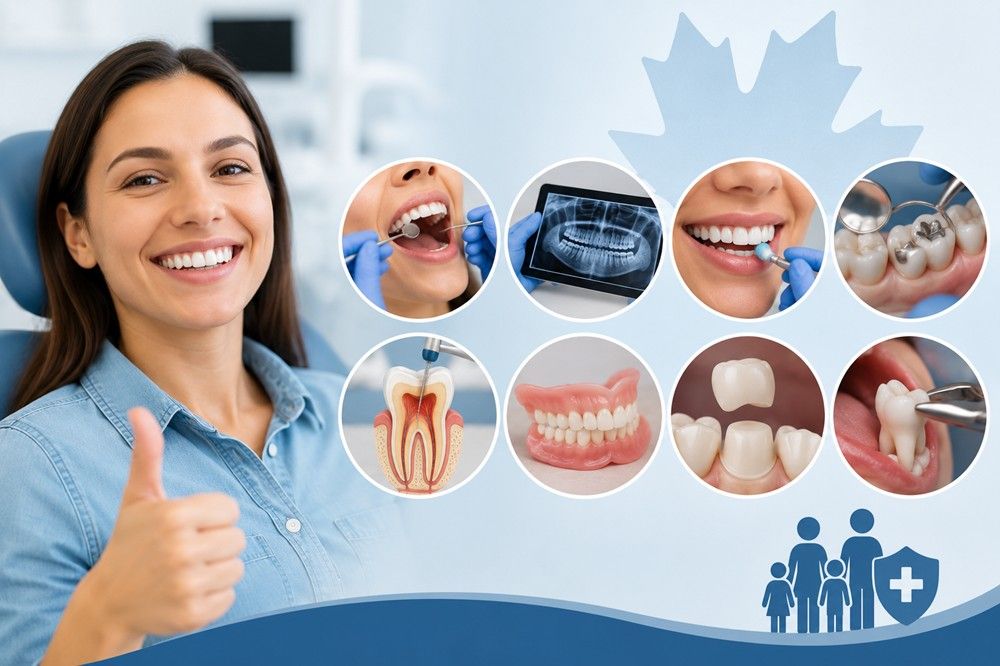

Most people dread the idea of having a tooth pulled. But sometimes it is the kindest thing you can do for your oral health. The truth is, your mouth often gives you clear warning signs before things get too serious. Knowing when tooth extractions near you might be necessary can save you from months of pain and far bigger dental problems down the road. The earlier you pay attention, the more options you usually have.
What Is a Tooth Extraction?
A tooth extraction means a tooth is removed from its socket in the jawbone.
It sounds frightening — but modern dentistry has made the procedure far more comfortable than most people expect. Dentists always try to save a natural tooth first. Extraction is only recommended when saving the tooth is no longer possible or practical.
There are two types of extractions. A simple extraction is done on a tooth that is visible above the gum line. A surgical extraction is needed when a tooth is broken at the gum line or has not fully come through, like a wisdom tooth.
When Might You Need a Tooth Pulled?
Finding a dental clinic near you and getting a proper check-up is always the best first step. But here are the most common situations where extraction becomes necessary.
Severe Tooth Decay
When decay goes deep into a tooth and reaches the inner pulp, infection sets in. If a root canal cannot fully treat the infection, extraction may be the safest option to stop it from spreading to nearby teeth and bone.
Gum Disease
Advanced gum disease — also called periodontitis — attacks the bone and tissue that hold your teeth in place. When a tooth becomes too loose to function or save, removal protects the rest of your mouth from further damage.
A Tooth That Is Cracked
A small chip can be fixed most of the time. However, if a crack extends deep beneath the gum line or ultimately splits the tooth, restoration is impossible. In those cases, extraction remains the only logical step.
Overcrowding
Sometimes, teeth are simply too crowded in the jaw. This is especially common before orthodontic treatment. Removing one or more teeth creates the space needed for the remaining teeth to shift into proper alignment.
Impacted Wisdom Teeth
Wisdom teeth that do not have enough room to grow in properly become impacted. They push against neighbouring teeth, cause pain, and create hidden pockets where bacteria thrive. Removing them early prevents a long list of future problems.
Baby Teeth That Will Not Fall Out
If a baby tooth does not fall out on its own when it should, it can block the permanent tooth from coming in correctly. Extraction gives the adult tooth the clear path it needs.
Signs You Should See a Dentist Soon
Here is a simple guide to help you decide when it is time to act:
| Warning Sign | What It Could Mean |
| Persistent toothache | Deep decay or infection reaching the nerve |
| Swollen gums around one tooth | Possible abscess or advanced gum disease |
| A tooth feels loose in adults | Bone loss from gum disease or injury |
| Jaw pain near the back teeth | An impacted wisdom tooth is pressing on nerves |
| Visible crack running to the gum | The tooth may be unsalvageable |
| Bad taste that does not go away | Sign of an ongoing infection near a tooth |
None of these signs should be ignored. Each one is your body’s way of telling you something needs attention.
What Happens If You Delay Getting a Tooth Removed?
Waiting too long is one of the most common mistakes people make.
An infected or damaged tooth, left untreated, not only remains in one place but also It extends. In cases of serious conditions, it can spread to the jawbone, adjacent teeth, and soft tissues of the face and neck.
Pain also tends to get significantly worse the longer you wait. What could have been a straightforward procedure turns into a more complex and costly one. Acting early almost always means a simpler treatment, a faster recovery, and a lower overall cost.
Will It Hurt?
This is the question almost everyone asks—and the honest answer is, “No, not during the procedure.”
Your dentist will numb the area completely before beginning. You may feel pressure or movement—but not sharp pain. After the procedure, some mild soreness and swelling for two to three days is completely normal. Over-the-counter pain relief is usually enough to stay comfortable during recovery.
Most people are genuinely surprised by how manageable the experience is.
A Healthier Mouth Starts With One Honest Conversation
Knowing when to act is half the battle. If you have been dealing with tooth pain, swelling, looseness, or any of the signs mentioned above, do not keep putting it off. Your natural teeth are worth protecting, and your overall health depends on what happens in your mouth.
The team at Stephen Avenue Dental Choice knows that dental anxiety is real and every patient deserves to be heard and comfortable. If you just want to chat with us or if you’re ready to tackle a long-term issue, we won’t lie to you.
Reach out to us today—because a healthier, pain-free smile is always worth taking that first step.
Frequently Asked Questions
Q1. How long does recovery take after a tooth extraction?
Most patients feel back to normal within three to five days after a straightforward extraction.
Q2. Can I eat normally after having a tooth removed?
Stick to soft foods for the first few days and avoid the extraction site while chewing.
Q3. What is a dry socket, and how do I avoid it?
A dry socket happens when the healing blood clot dislodges—avoid straws, smoking, and hard foods to prevent it.
Q4. Will I need a replacement tooth after an extraction?
In most cases, yes, your dentist will discuss options like implants or bridges to fill the gap left behind.