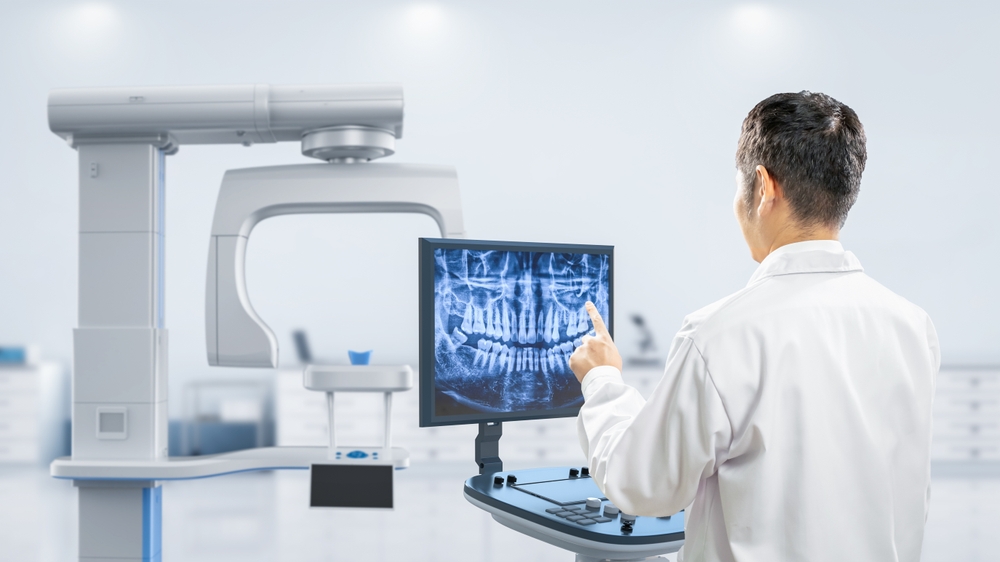

Being told that a tooth might need to be removed can feel worrying. Many people first ask, What are tooth extractions? In simple terms, it means removing a tooth when it cannot be saved due to severe damage, deep decay, or infection.
The good news is that removal is not always the only solution. In many cases, a tooth can be treated and kept in place. Knowing your options helps you feel more confident about the next step and reduces unnecessary stress about losing a natural tooth.
When Is a Tooth Removed
A tooth is usually removed only when it cannot be repaired. This can happen if there is severe decay, advanced gum disease, or a deep crack that reaches below the gum line. In some cases, long standing infection may also weaken the surrounding bone.
Searching for tooth extractions near you usually means you are in strong pain and want fast relief. Before deciding on removal, it is important to check if the tooth can still be saved. A careful exam may reveal simpler, less invasive treatment options.
Options That May Save the Tooth
Dentists try to keep natural teeth whenever possible. Some common alternatives include:
Fillings
If the decay is minor, a filling can remove the damaged part and restore the tooth before the problem spreads further.
Dental Crowns
A crown covers a tooth to strengthen it. Strengthening cracked or weakened teeth will help you chew comfortably.
Root Canal Treatment
If infection reaches the inside of the tooth, a root canal removes the infected tissue and keeps the outer tooth structure. After treatment, a crown is often placed to protect the tooth.
Tooth Extraction vs Root Canal
Many patients wonder about tooth extraction vs root canal. A root canal saves the natural tooth by cleaning out the infection. An extraction removes the entire tooth and may require a replacement later.
Keeping your natural tooth has many benefits. It helps you chew normally, keeps nearby teeth from shifting, and supports the jawbone. But if the tooth is severely damaged and cannot be repaired, removal may be the safer option.
A dentist in downtown can carefully examine the tooth and explain which option makes the most sense for your situation.
When Saving the Tooth Is Not Possible
There are times when treatment may not work. This can happen if:
- There is severe bone loss around the tooth
- The tooth is broken deep below the gum line
- The infection has spread too far
- Wisdom teeth are stuck and causing repeated pain
In these cases, removing the tooth can prevent more serious problems later and protect nearby teeth from further damage.
What Happens After a Tooth Is Removed
If a tooth is removed, it is essential to consider replacement. Leaving a space can cause nearby teeth to move over time. This may affect your bite, speech, and chewing comfort.
Replacement options often include:
- Dental implants
- Dental bridges
- Partial dentures
During a visit to a dental clinic in downtown, you can talk about these choices and decide what works best for you based on your needs and budget.
Why Early Care Is Important
Catching problems early can often prevent the need for removal. Small cavities or mild infections are easier to treat than advanced damage. Regular checkups help find issues before they cause pain.
If you notice pain, swelling, or sensitivity, it is better to get it checked soon. Early treatment gives you more options and often leads to simpler care and quicker recovery.
How the Decision Is Made
Before deciding on removal, your dentist will do a careful exam. This may include:
- Checking the tooth carefully
- Taking X-rays to see the roots and bone
- Talking with you about your pain or symptoms
- Looking at your general dental health
The goal is always to save the tooth if it can be safely restored. Clear communication helps you understand each step.
Making a Confident Choice
Before agreeing to remove a tooth, ask about all possible treatments. Understanding your options helps reduce worry and supports better results.
The team at Stephen Avenue Dental Choice can explain your choices clearly and help you decide what is best for your smile. Schedule a visit to review your options and move forward with confidence.
Frequently Asked Questions
What are tooth extractions?
They are procedures where a tooth that is badly damaged or infected is removed from the mouth.
Is a root canal better than an extraction?
If the tooth can be saved, a root canal is often the better choice. It keeps your natural tooth in place.
Does removing a tooth hurt?
The area is numbed during the procedure, so you should not feel pain. Some mild soreness afterward is normal.
What happens if I do not replace a removed tooth?
Teeth around the space may shift over time, altering your bite and chewing comfort.