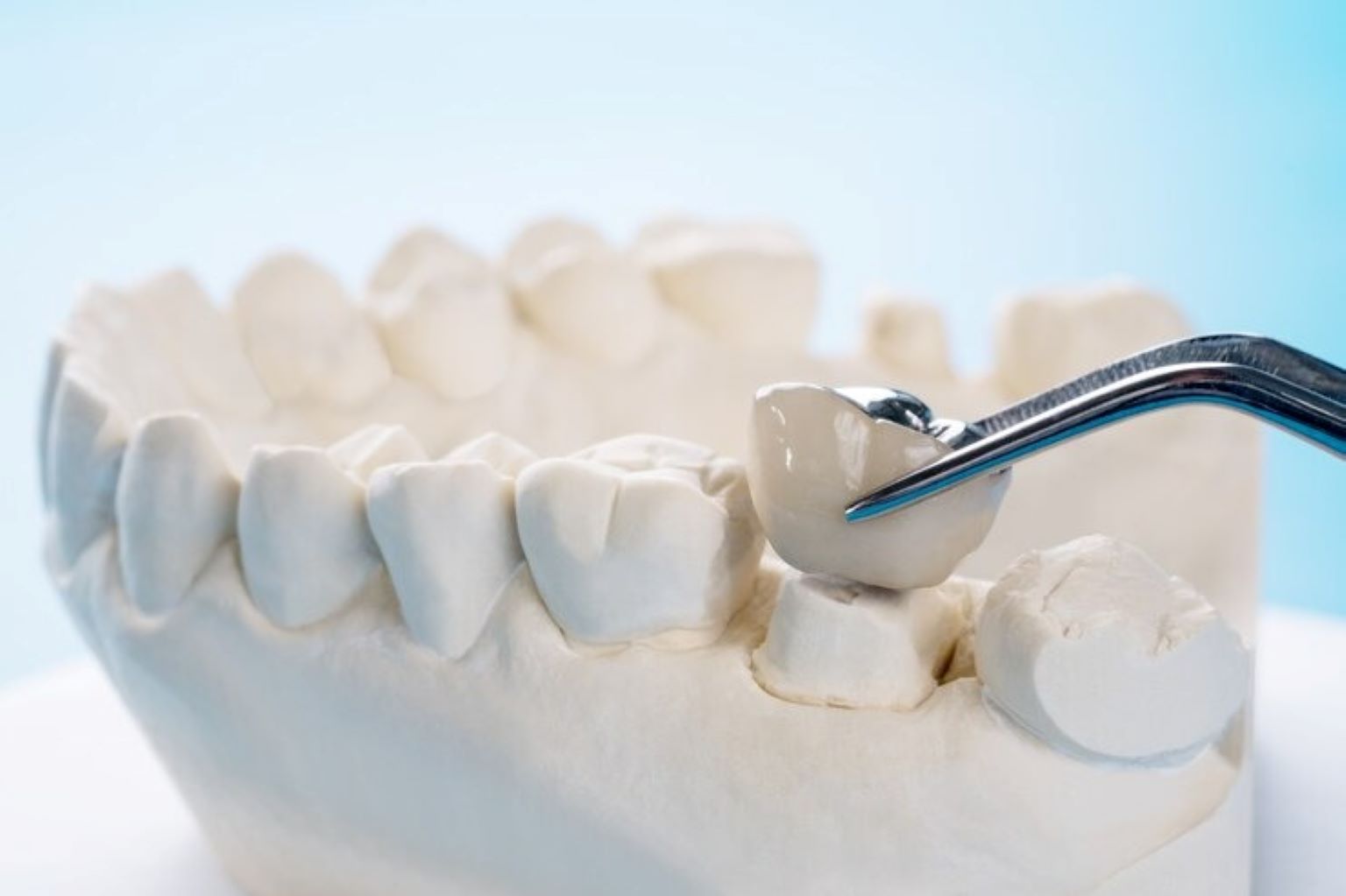

A bright, confident smile can make a huge difference in how you feel and present yourself. Dental bonding in downtown Calgary is a quick, effective way to improve the appearance of your teeth without extensive procedures.
This cosmetic solution can correct chips, cracks, discolouration, and minor gaps for a natural-looking result.
In this blog, we’ve covered everything about dental bonding, from how the process works to how you can take care of your bonding to make it last longer.
What Is Dental Bonding?
Dental bonding involves applying a tooth-colored resin to the surface of your teeth. The resin is sculpted to match your natural tooth shape and then hardened using a special light.
The dental bonding process is invasive in nature and is completed in a single visit, making it the right option for patients who need a fast and visible result.
Common Uses of Dental Bonding
Patients often choose dental bonding to:
- Repair small chips or cracks.
- Close minor gaps between teeth.
- Improve the shape of uneven teeth.
- Cover discolouration or stains.
A dentist in downtown Calgary can evaluate your smile and determine whether bonding is the best solution for your specific needs.
Dental Bonding vs. Veneers for Smile Correction
When considering cosmetic options, many patients wonder how dental bonding compares to veneers:
| Feature | Dental Bonding | Veneers |
| Procedure Time | Usually one visit | Multiple visits |
| Cost | Lower | Higher |
| Durability | 3–10 years | 10–20 years |
| Invasiveness | Minimally invasive | Requires enamel removal |
| Repair | Easy to fix | Requires replacement |
Dental bonding is ideal for minor cosmetic issues, while veneers are better suited for extensive changes to tooth shape or colour.
A dentist downtown can help you decide which approach is right for you.
The Dental Bonding Procedure: What to Expect
The procedure is simple and painless:
- Consultation and planning – Your dentist examines your teeth and chooses a resin colour.
- Preparation – The tooth surface is lightly etched to help the resin adhere.
- Application – The resin is applied and shaped for a natural appearance.
- Curing – A special light hardens the resin.
- Polishing and finishing – The bonded tooth is smoothed and polished so it matches the nearby teeth.
Several patients leave the clinic with fast and noticeable results.
Care and Maintenance After Dental Bonding
Proper care ensures the longevity of your bonded teeth. Tips include:
- Brush twice a day with a non-abrasive toothpaste.
- Floss daily to remove plaque and prevent any staining.
- Avoid biting on hard objects like ice or pens.
- Limit staining foods and drinks, such as coffee, tea, and red wine.
- Schedule regular dental checkups to monitor the bonding.
The above-mentioned maintenance steps, if followed correctly, will help your dental bonding last longer.
Get the Smile You’ve Always Wanted
Dental bonding is like a quick fix, as it can improve your smile in just a single visit.
Whether you are repairing chips, closing gaps, or covering stains, bonding can offer you noticeable improvements without the need for any major dental work.
Book a consultation at Stephen Avenue Dental Choice to explore how dental bonding can give you the confident smile you deserve.
FAQs
Is dental bonding painful?
No, the procedure is usually painless. Your dentist may use a local anesthetic if needed.
How long does dental bonding last?
Bonding typically lasts 3–10 years, depending on your care and habits.
Can bonded teeth get stained?
Yes, the resin can stain over time. Avoid foods and drinks that cause discolouration.
Can dental bonding be repaired?
Yes, bonding is easy to fix if it chips or wears down.
Is dental bonding suitable for everyone?
It works best for minor cosmetic issues. Your dentist will evaluate whether it’s right for your teeth.