Many people want a brighter smile but are hesitant due to negative experiences with whitening. Some feel it destroys enamel, while others say it causes irreversible harm. If you need teeth whitening near you, it is important to know the reality.
Whitening treatments are safe and effective, only if you know the facts about them to avoid any common fallacies.
5 Myths of Teeth Whitening
Myth 1 – Whitening Damages Teeth
Fact – When done properly, whitening does not make the enamel weak. Professional treatments use gels that are properly measured to get rid of stains without hurting the tooth’s structure.
Enamel is the hardest substance in your body. While overusing whitening products at home can cause sensitivity, safe methods protect your teeth.
What really causes enamel wear?
- Acid-based foods and drinks
- Poor brushing habits
- Teeth grinding
Not whitening. If you’re not sure, check with a dentist near you to get a proper recommendation for treatment.
Myth 2 – All Whitening Methods Are the Same
Fact – Store-bought strips and gels are not equal to in-office treatments. When comparing the difference, it’s all about its strength, control and safety.
Check the detailed comparison in the table below
| Whitening Option | Strength of Gel | Safety Supervision | Results Timeline |
| Over-the-counter strips | Low | None | Weeks to months |
| At-home kit from dentist | Medium | Some supervision | 1–2 weeks |
| In-office whitening | High | Full supervision | 1–2 visits |
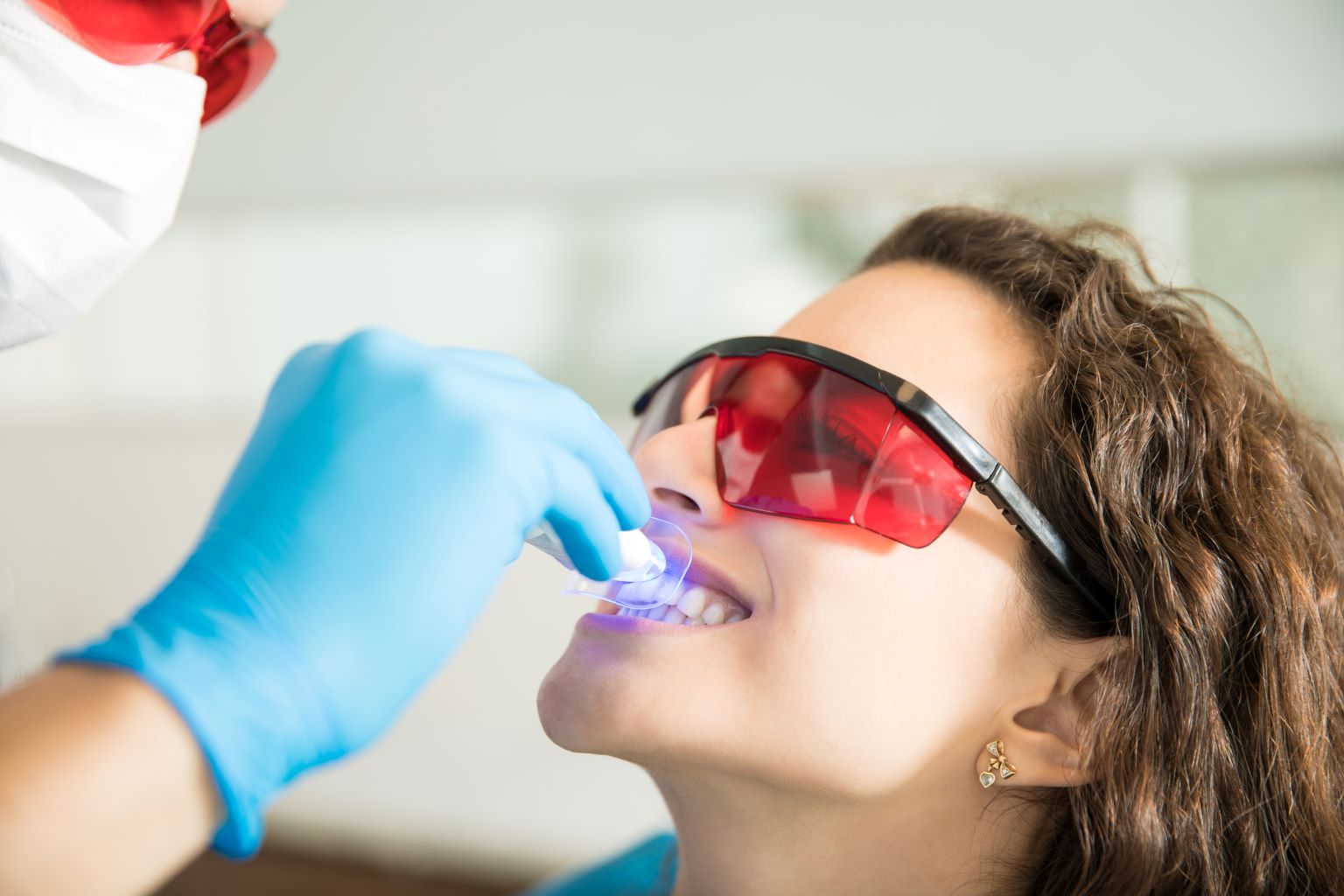
Professional teeth whitening involves using medical-grade materials to whiten your teeth, protect your gums and monitor results. Thus, ensuring you achieve noticeable results without any risk.
Myth 3 – Whitening Makes Teeth Permanently Sensitive
Fact – You will experience a temporary sensitivity after teeth whitening as the gel opens small pores in enamel to remove stains. These pores naturally seal within a few days.
Tips to reduce sensitivity:
- Use a toothpaste for sensitive teeth
- Avoid very hot or cold drinks right after treatment
- Space out whitening sessions instead of overusing products
When done properly, whitening does not cause lasting pain. Check for its safety at a dental office to make an informed decision before starting the treatment.
Myth 4 – Whitening Works on All Types of Stains
Fact – Whitening is the right choice to remove stains formed from coffee, tea, wine, or aging. It does not work well on:
- Gray or brown discoloration from medications
- Stains caused by trauma or injury
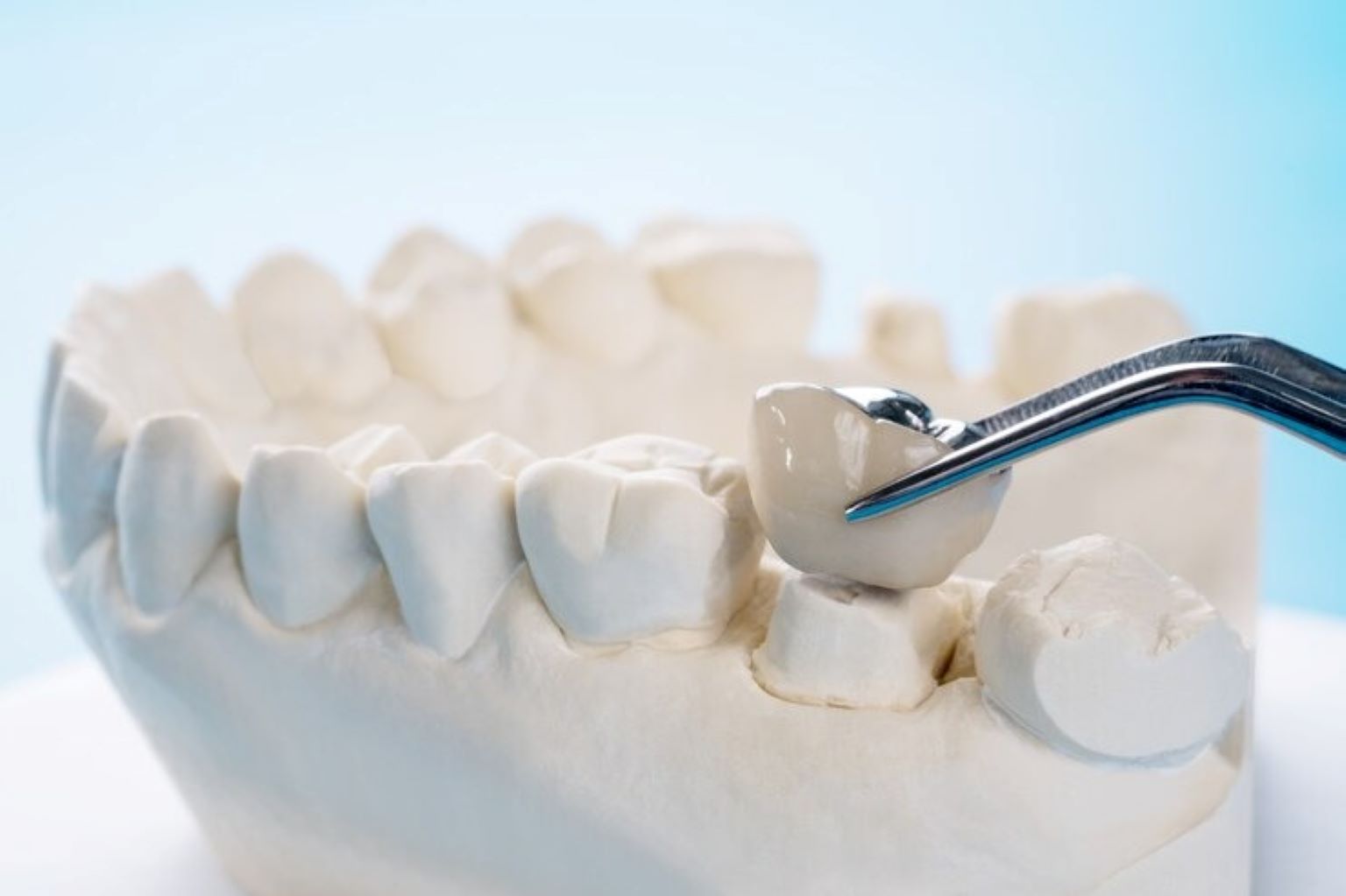
- Crowns, veneers, or fillings (these materials don’t whiten)
In such cases, your dentist may recommend other options like bonding or veneers. This is why an exam before whitening is important; it helps you choose the right treatment for your smile goals.
Myth 5 – At-Home Remedies Are Safer
Fact – DIY methods, such as lemon juice or baking soda, make the enamel weak in the long term. These treatments aren’t safer simply because they are “natural.”
- Lemon juice is acidic and erodes enamel
- Baking soda is abrasive, and it can scratch the tooth surface.
- Charcoal products can irritate gums and enamel
Your best option remains dentist-monitored whitening.
Wrapping Up!
Whitening teeth is safe if performed properly and under professional guidance. These myths are harmful, and permanent sensitivity or unsafe outcomes are unfounded.
If you’ve been hesitant to whiten due to fear, now you understand the truth. Looking to get a brighter smile? Schedule a consultation with Stephen Avenue Dental Choice.
Our team is here to help you choose the right option by checking your oral health and providing a safe whitening treatment for you.
FAQs
Will teeth whitening damage the enamel?
No, in general. Whitening gel removes the surface stains and won’t harden the enamel when used as directed. Risk of enamel problems usually arises from too much use of home kits or homemade methods, rather than professional treatments.
How long do the effects of teeth whitening last?
The results generally last from six months to two years. Factors like drinking coffee, tea, or wine, and smoking can reduce the duration. Doing regular touch-ups helps keep the bright appearance.
Does teeth whitening cause any pain?
Most people feel only mild, temporary sensitivity. This usually disappears within a few days post-treatment. Using toothpaste for sensitive teeth and listening to your dentist’s guidance can help minimize discomfort.