
Coffee can be part of a daily routine, and tobacco can leave stubborn discolouration on teeth. If you enjoy coffee or smoking, you may wonder which whitening method can make the biggest difference without causing unnecessary sensitivity. The best teeth whitening option for smokers and coffee drinkers depends on the type of stain, your oral health, and whether you have fillings, crowns, or veneers in visible areas.
Some stains sit on the enamel surface; others are deeper and may respond differently to whitening. A dental assessment can help you understand what is realistic, compare professional and over-the-counter choices, and avoid products that may irritate already sensitive teeth. The goal is a brighter smile with a plan that fits your oral health, not a one-size-fits-all promise.
Why Coffee and Tobacco Stain Teeth
Coffee contains dark pigments that can attach to the outer surface of enamel. Tobacco smoke and tobacco products can also leave brown or yellow deposits. If you are considering teeth whitening near you, these surface marks are often called extrinsic stains and may respond differently from deeper colour changes. Over time, they can become more noticeable, especially when plaque builds up or routine cleaning is inconsistent.
Not every colour change is on the surface. Natural tooth shade, enamel thickness, ageing, certain medicines, and changes inside the tooth can affect brightness. A cleaning may help surface stains but not deeper discolouration.
Which Whitening Method May Suit You?
To compare the main options, it helps to understand how each one works rather than focusing on which product sounds strongest.
- In-clinic whitening: Professional treatment, including Zoom whitening, is applied under dental supervision. It may be useful when you want treatment completed in a shorter period, although results differ by starting shade and stain type.
- Custom take-home trays: Custom trays hold whitening gel against the teeth. They allow treatment to take place gradually at home according to the instructions provided.
- Over-the-counter strips and gels: These may help with some surface or general discolouration. Fit, concentration, frequency of use, and the condition of your teeth affect how well they work and how much sensitivity they may cause.
Stronger does not automatically mean better. Using a product more often than directed can increase irritation. Professional guidance is especially useful with gum recession, untreated decay, cracks, or a history of sensitivity.
Check Your Teeth Before Whitening
Before choosing a treatment, a dentist can check for cavities, gum inflammation, worn enamel, and other causes of sensitivity. A cleaning may be recommended first if surface deposits are contributing to the colour change.
If you are looking for a dentist near you, consider asking which option is suitable for your current oral health and how to manage any sensitivity that develops.
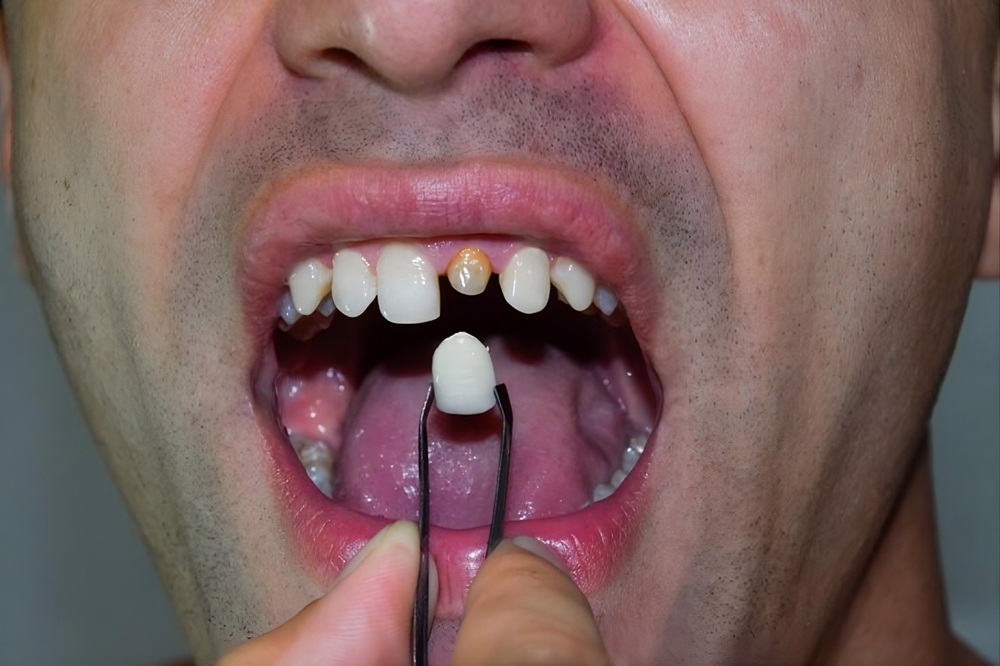
Crowns, veneers, and tooth-coloured fillings do not whiten like natural enamel. If these restorations are visible when you smile, whitening natural teeth may leave a shade difference. In some cases, the dentist may suggest discussing restoration colour before starting treatment.
A dentist in downtown Calgary can also help distinguish a stain from a colour change that needs a different assessment. Tobacco use can affect oral health in ways that whitening does not address, so brighter teeth should not be mistaken for a sign that the effects of tobacco have been reversed.
Keeping Stains From Returning Quickly
Results are not permanent. To help maintain the shade you achieve:
- Rinse with water after coffee or other dark drinks when practical.
- Brush twice daily with fluoride toothpaste and clean between teeth every day.
- Follow the recommended whitening schedule instead of repeating courses too frequently.
- Ask whether a professional cleaning would help remove surface deposits.
- If you smoke or use tobacco, consider seeking support to stop; whitening does not reduce tobacco-related health risks.
Getting Back Your Brighter Smile
Choosing a whitening approach should start with your oral health and realistic expectations. Book a consultation with Stephen Avenue Dental Choice to discuss options that may suit your teeth and goals.
FAQs
Which teeth whitening option works best for coffee stains?
The best choice depends on how much staining is present and whether it is mainly on the enamel surface. A professional cleaning may remove some deposits. Whitening strips, custom trays, or in-clinic treatment may help with remaining discolouration, depending on your oral health and sensitivity.
Can teeth whitening remove tobacco stains?
Whitening may reduce some tobacco-related staining, but results depend on how deeply the colour has settled and whether deposits are also present. A cleaning can remove certain surface stains. Whitening does not treat the other oral-health effects of tobacco use or guarantee that stains will stay away.
Can whitening products change the colour of crowns or fillings?
No. Whitening gels change the shade of natural tooth structure but do not lighten crowns, veneers, or tooth-coloured fillings in the same way. If restorations are visible, whitening may create a mismatch. Discuss the treatment sequence before changing the shade of your natural teeth.
How long do professional teeth whitening results last?
Results may last for months or longer, but there is no fixed duration for everyone. Coffee, tea, tobacco, diet, oral hygiene, the type of whitening used, and natural changes in tooth colour all affect how long the shade remains. Maintenance advice can help you avoid unnecessary repeat treatment.
Can I whiten my teeth if I already have sensitive teeth?
Possibly, but it is sensible to identify the cause of sensitivity first. Cavities, gum recession, cracks, and enamel wear may need attention before whitening. A dentist may suggest postponing treatment, choosing a gentler schedule, or using a sensitivity-reducing toothpaste, depending on the findings.